Copyright, licence, model release, property release: four permissions photographers confuse
Owning a file, owning copyright and having permission to publish are different questions. Use this four-part framework before a commission or image sale.
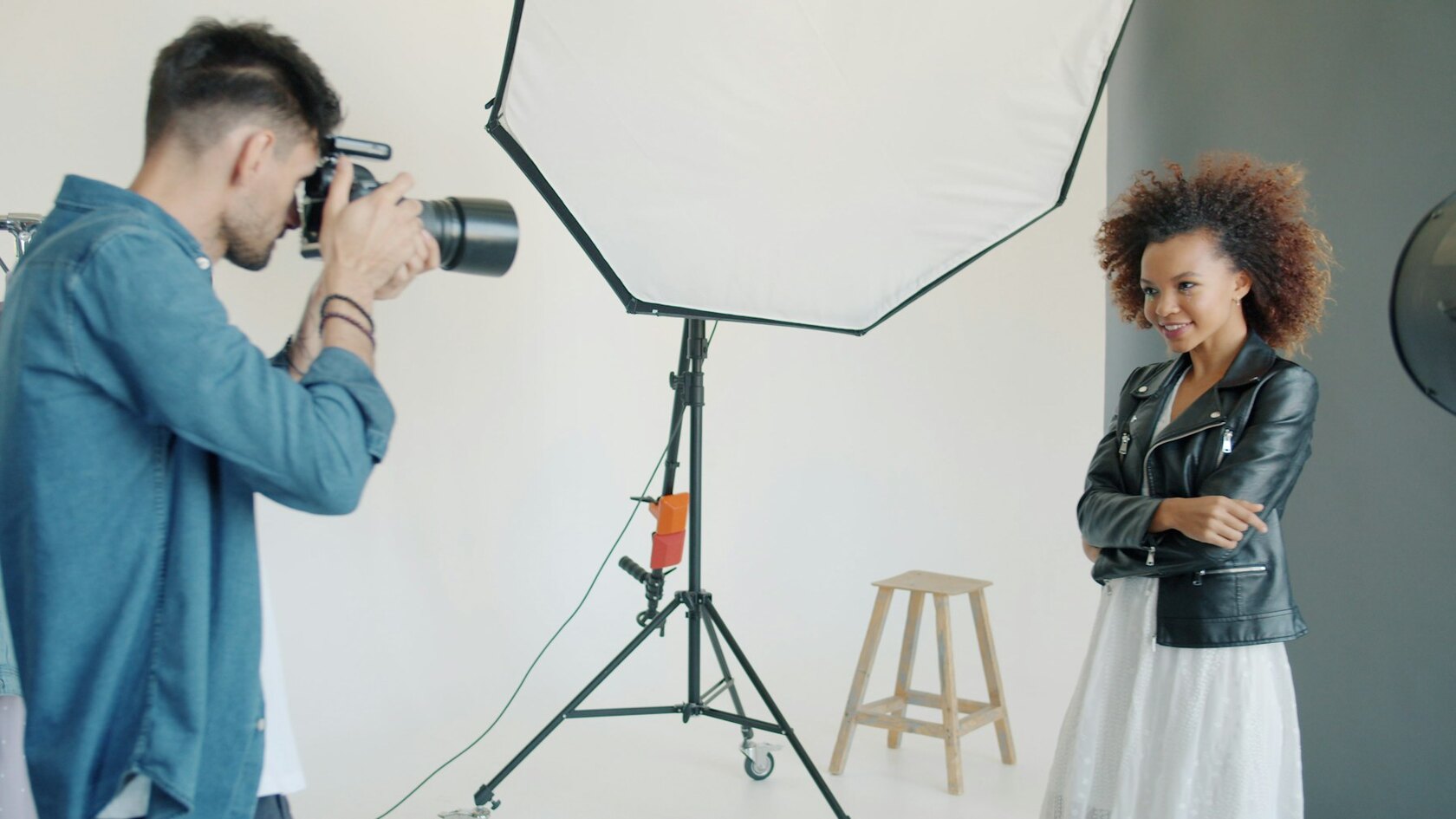
Four different questions hide inside the sentence “Can we use this photograph?” Copyright asks who controls the image. A licence states which uses that rights holder permits. A model release addresses permission connected to an identifiable person. A property release addresses specified use involving relevant property. One document does not automatically answer the other three questions.
This is a global framework, not legal advice. WIPO’s copyright FAQ emphasizes that rules and initial ownership exceptions vary by country. Privacy, publicity, contract and property law also differ. Use the framework to find missing information, then obtain qualified advice for valuable or sensitive commercial work.
Copyright begins with authorship, but exceptions matter
WIPO’s protection overview lists photographs among commonly protected works and explains that protection generally arises without a formal procedure. The U.S. Copyright Office’s photographer guidance says the photographer is generally the author and initial owner in the United States, while identifying work-made-for-hire as an important exception.
Owning a print, memory card or downloaded file therefore does not necessarily transfer copyright. A portrait client may own a framed photograph and still need permission to reproduce it in an advertisement. A company may own copyright under an employment or work-for-hire rule, or it may receive only the uses written in a contract. “The client paid” is not a complete rights clause.
| Document or right | Core question | Typical owner or signer |
|---|---|---|
| Copyright | Who controls reproduction, adaptation and distribution? | Usually the creator, subject to local exceptions |
| Licence | Which uses has the rights holder permitted? | Rights holder and client/licensee |
| Model release | May an identifiable person’s likeness be used as specified? | The person or authorized guardian |
| Property release | Has the relevant property owner granted the stated permission? | Owner or authorized representative |
Before a shoot, write who will own copyright and whether any assignment is limited. If the photographer retains ownership, the agreement should still state what the client can do. If ownership transfers, specify which files and when the transfer takes effect.
A licence describes the allowed use
A licence is permission from the rights holder. Useful terms include media, purpose, territory, duration, exclusivity, placement, language, audience and whether the client may sublicense or alter the image. ASMP’s example terms demonstrate why these details belong in writing, although its sample is not a universal contract.
“Web use” is ambiguous. It might mean one company website for a year, every social platform worldwide forever, paid advertising, retailer pages and partner newsletters. Those uses carry different value and risk. Replace a vague channel with named placements and a defined period.
Exclusivity also needs boundaries. A client may need exclusivity against direct competitors in one country for six months, not ownership of every future use. A photographer should know whether exclusivity applies to a specific image, the whole shoot or even similar unused frames.
A model release is about the person, not image ownership
A model release records agreed permission concerning a person’s likeness and the stated uses. It does not normally make the model the photographer or transfer the photographer’s copyright. Conversely, owning copyright does not automatically remove a subject’s privacy or publicity interests.
ASMP’s release discussion distinguishes editorial and fine-art contexts from commercial use while warning that exceptions and promotional reuse complicate simple rules. A news photograph and the same photograph in an advertisement for the publication may raise different questions. Local law and the actual context decide more than the label in a file browser.
For commissioned commercial portraits, obtain a release whose language matches the planned use, including meaningful synthetic alteration if that is contemplated. For a minor or a person who cannot legally consent, identify the authorized signer. Link the signed record to the correct subject and files; a folder of anonymous PDFs is not a reliable permission system.
A property release answers another permission question
A property release records permission associated with property and stated use. It can matter for private interiors, artwork, trademarks, distinctive designs, animals or locations subject to contract and access rules. It does not prove that every visible copyrighted work, brand or person has separately been cleared.
Access permission and publication permission can also diverge. A venue may allow photography while restricting commercial promotion. A homeowner may authorize the room while a painting inside it has a different rights holder. Record the exact property, signer’s authority, use, consideration and limitations rather than relying on “the manager said it was fine.”
Not every editorial street photograph requires a property release, and laws vary. The point is to identify the legal or contractual interest and the intended publication, not to collect paperwork without understanding its purpose.
Build one rights record per deliverable
Create a short rights sheet attached to the job. List image identifiers, copyright owner, client, permitted media, territory, term, exclusivity, alteration rights, credits and expiry. Link any model or property releases and note missing releases explicitly. Include whether generative edits, face substitution or AI training are allowed; silence should not be converted into permission by software convenience.
When delivering through a proofing platform or download link, keep the licence in the contract or delivery record. File access is not the same as a licence expansion. High-resolution delivery, RAW delivery and copyright transfer are three separate decisions.
Work through a practical example
Suppose a photographer makes an environmental portrait of a chef inside a privately owned restaurant, with a commissioned mural behind them. The photographer may own the image copyright. The restaurant may receive a one-year licence for its website and organic social channels. The chef may sign a model release for that promotion. The owner may authorize the interior, while the mural artist’s rights still require analysis if the artwork is prominent.
If the restaurant later gives the image to a food brand for a national paid campaign, the original package may be insufficient. The new advertiser, territory, media and commercial association were not necessarily covered. The correct response is not to guess which old signature “owns the photo”; it is to review each permission against the new use.
Ask four questions before publishing
Who owns or controls the photograph? What exact use has been licensed? Are identifiable people cleared for that context? Are property, artwork, brand or access permissions relevant? Add a fifth operational question: where is the evidence stored?
These questions do not eliminate legal judgment. They prevent the most common category error—treating possession, copyright, licensing and releases as synonyms. A clear rights record also improves pricing: the photographer can charge for the scope actually requested, and the client can see what an extension needs instead of discovering the boundary after publication.