Alex Webb and the language of color
A photographer’s own account of learning to let place, light and color shape the picture.
In an essay published by Aperture in July 2024, Alex Webb reflects on his transition from black-and-white work to color. Travels in Haiti and other parts of the Caribbean prompted him to respond to a different intensity of light and life on the street.
His account is a reminder that a visual language can develop through the experience of a place, rather than a decision made in advance. He describes a practice led by walking and observation, with projects sometimes extending over years.
Read the photographer in his own words
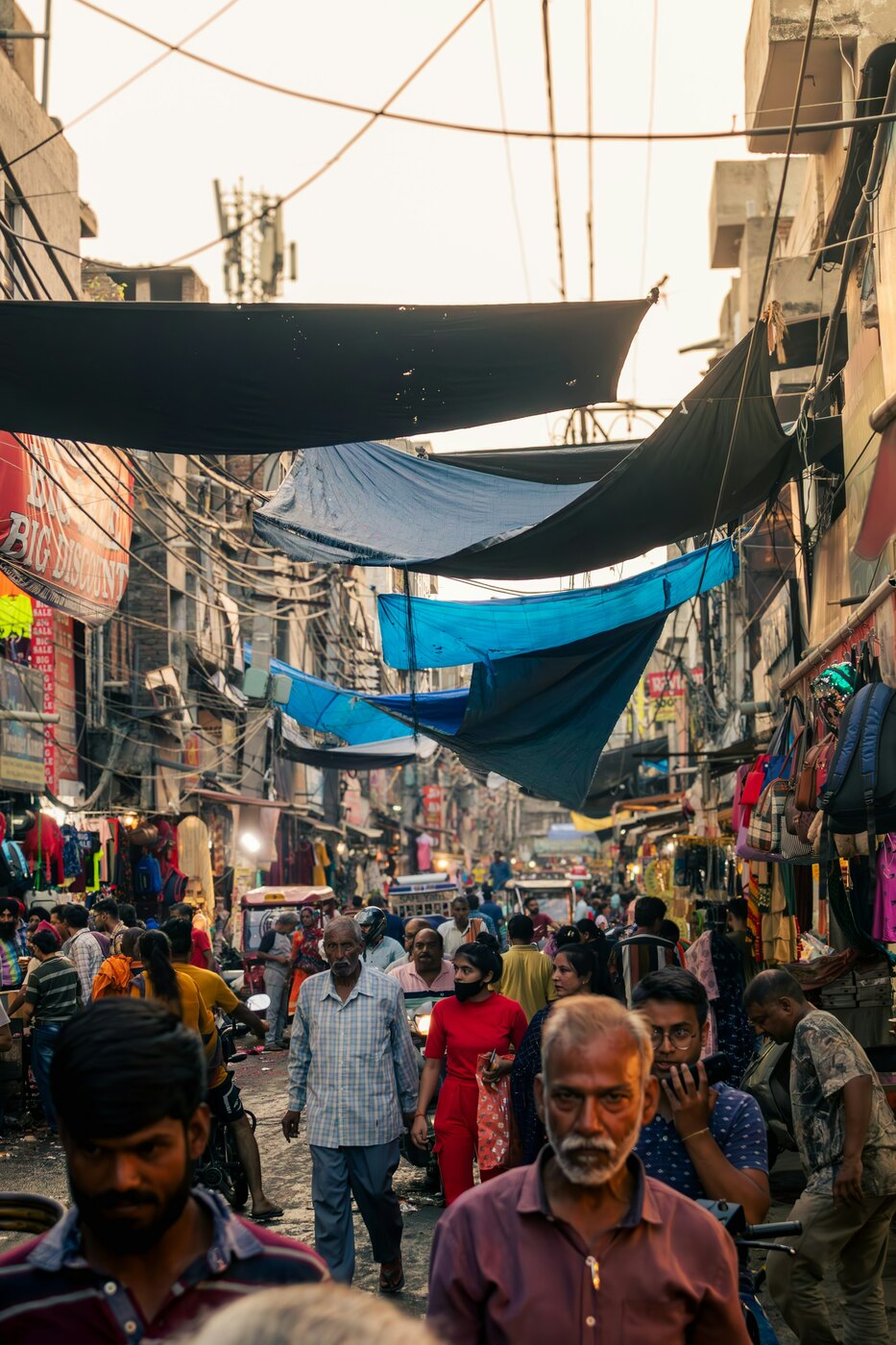
The complete essay accompanies photographs from The Suffering of Light on Aperture’s website. Our short reading note is an introduction to that first-person account. The illustrative photograph on this page is not by Webb and does not reproduce his work.
An exercise for your own edit: take the color out of one photograph, then put it back. What information returns? If color changes the relationship between subjects, rather than merely making the frame attractive, it may be doing real narrative work.
Turn a reading note into a question for your own work
The source essay introduces Webb’s own experience; the workshop below is GOBO’s response, not advice quoted from him. The useful starting question is whether color changes what a photograph means. A red coat may simply attract attention, or it may connect two people across a complicated frame. A blue shadow may decorate a scene, or separate one space from another. Look for the relationship, not only the intensity.
Choose five photographs from your own archive and describe what color contributes to each. Avoid words such as vibrant or cinematic until you have named something more specific. Does a repeated hue connect foreground and background? Does a warm surface make a distant figure feel separate? Does the image lose a meaningful distinction when converted to monochrome? Your answers need not agree across the five photographs.
Work with a limited palette
For one walk, look for a relationship between just two colors. You are not required to photograph every example, and the colors do not need to be bright. Restricting the question makes small differences easier to notice. A muted green doorway beside a pink wall may be more useful to your investigation than an entire street of competing illuminated signs. Let the assignment sharpen your attention rather than dictate a finished style.
Back at the desk, group the photographs by the role each color plays. In one frame it may belong to the subject; in another it may form a boundary or an interruption. Notice whether the series depends on repeating the same visual trick. If it does, make a second walk in which that obvious solution is unavailable. A useful constraint should eventually lead you toward new questions.
Give the background equal attention
A layered photograph asks the viewer to move between several areas. This can be rewarding when the relationships are legible, but mere crowding does not create complexity worth reading. Watch what happens behind the apparent subject before committing to the frame. A distant gesture, a change in scale or a patch of light may establish a second point of interest that makes the foreground matter differently.
Practice with a stationary composition. Choose a background that interests you, then observe how the picture changes as people enter and leave. Make a small number of deliberate frames instead of relying on volume. Review the entire sequence afterward. Which combination makes the spaces feel connected? Which one simply gives the eye too many competing subjects? The exercise is about relationships you can describe, not resemblance to another photographer’s style.
Let a place complicate your first idea
It is easy to arrive somewhere with a visual plan already borrowed from photographs you admire. Try writing down that expectation before you begin, then look for what contradicts it. A place associated with saturated color may also contain long stretches of quiet, subdued light. A familiar street may feel different through an ordinary working day than it does during the hour visitors usually photograph it.
The point is not to collect novelty. It is to allow observation to revise an assumption. Spend time listening and learning names when appropriate. Be careful about converting a brief encounter into a confident cultural explanation. A photograph can be formally intricate while the story told around it remains superficial. Attention to people and context should develop alongside attention to the arrangement of the frame.
Edit beyond the most immediately attractive image
Print small working copies or place thumbnails together on a neutral background. Begin with a photograph that raises a question rather than the one with the loudest color. Add a second that responds to it through gesture, space or mood. Then ask whether a third image develops the relationship or merely repeats the palette. This creates a sequence with a reason to continue looking.
Try removing the image you were most certain about. If the remaining sequence becomes more coherent, the favorite may belong to a different project. This is a useful discovery, not a rejection of the photograph. Separate folders for personal favorites and for a particular edit can protect both interests. The problem arises when affection for an isolated frame prevents a stronger relationship from emerging elsewhere.
Keep interpretation separate from imitation
Studying another photographer can reveal possibilities, but copying recognizable surface features may conceal what makes the work persuasive. A strong shadow, a crowded foreground and a saturated wall do not automatically produce a thoughtful photograph. Ask what a particular image allows you to notice, how long it holds your attention and how the parts remain related as your eye moves around it.
Then translate the question into your own circumstances. You may work in a small town, photograph indoors or prefer a quieter palette. There is no need to borrow somebody else’s locations or subjects to learn from the attention they give a frame. The most valuable influence often changes the quality of your questions while leaving the appearance of your photographs entirely your own.
A three-session assignment
Use the first session to follow one color relationship, the second to study layers and the third to revisit whatever remained unresolved. Keep the route familiar enough that you spend more time observing than navigating. Make a brief note after each outing about what surprised you. Do not decide on a project title until you have seen the three sessions together; an early title can close off a more interesting direction.
Finish with six images and a paragraph explaining the connections you chose. Invite a reader to describe the sequence before showing them your explanation. The conversation between those two readings is the result to pay attention to. Return to Webb’s own essay for his account of discovery, and use this small exercise to begin identifying the visual questions that belong to you.