The pictures between the pictures
What a contact sheet can reveal about instinct, repetition and the frame you almost overlooked.
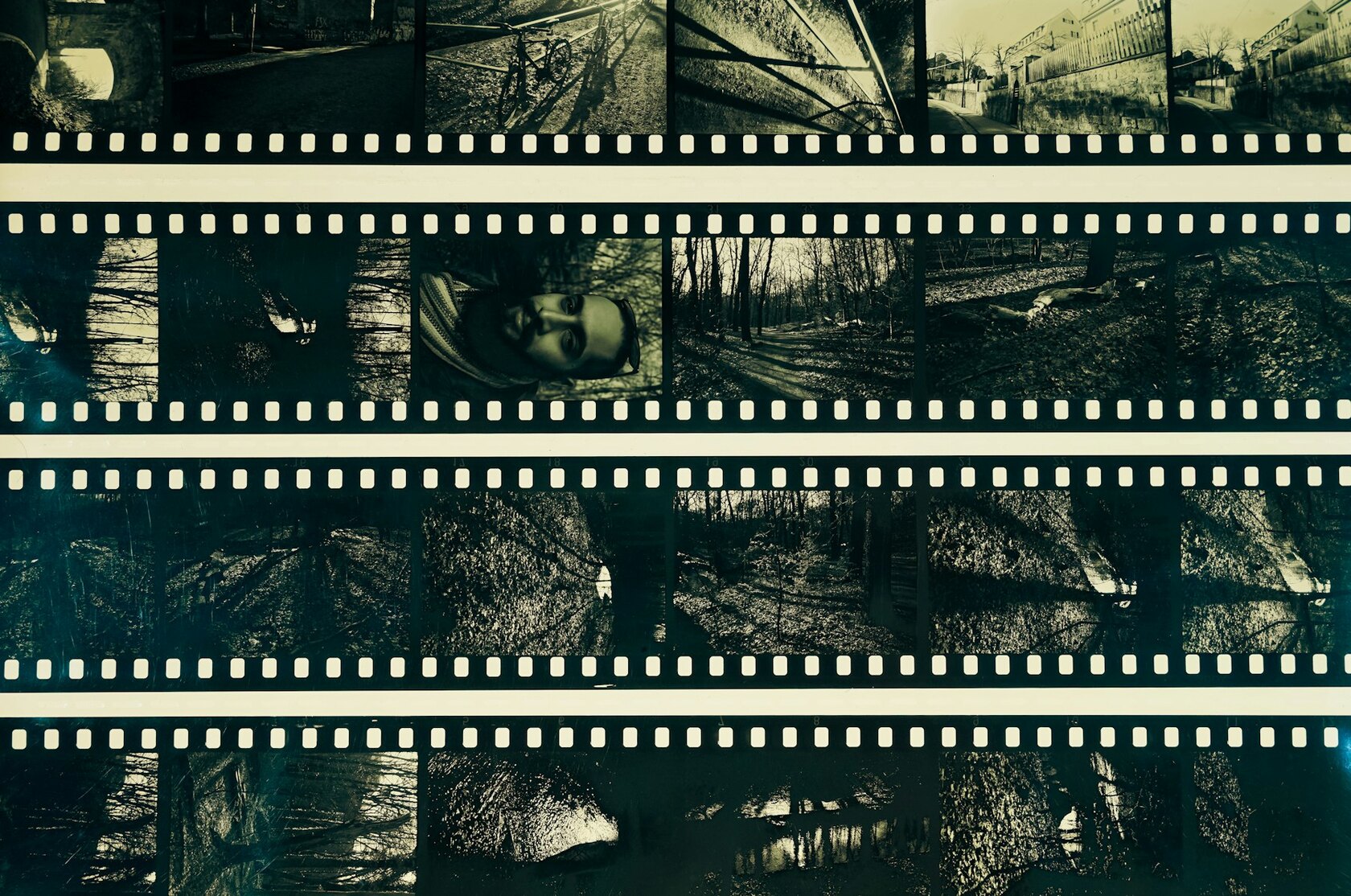
The finished photograph conceals most of the decisions that produced it. A contact sheet puts some of them back. Similar frames show the photographer moving, waiting or changing their mind. An unsuccessful sequence can be useful evidence of an idea still forming.
Make the edit visible
Export small thumbnails from one complete shoot in capture order. Resist deleting the awkward frames first. Mark the images you remember making, then the ones that surprise you now. The two groups may not overlap.
Look at what happens immediately before and after a favorite. Did you move closer? Did the background become simpler? Was the expression stronger one frame earlier? Naming the difference turns a preference into something you can learn from.
Come back later
Make a second selection after a few days. Distance can loosen the connection between how a photograph felt to make and how it reads to someone else. Keep both selections instead of treating the later one as a correction.
A contact sheet is a record of your attention. Over time, it can show not only what you photograph, but what you repeatedly walk past.
Preserve the sequence before simplifying it
Begin with a complete chronological view of a manageable shoot. If you remove the obvious mistakes before making the sheet, you may remove evidence of how the successful frame developed. A badly timed image can show what you were anticipating. A change in position can reveal the decision that made the next frame work. The exercise is about understanding a process, not presenting a polished portfolio to an audience.
Use thumbnails large enough to read gestures and relationships without requiring close technical inspection. Keep filenames or frame identifiers visible. When you want to inspect detail, return to the original rather than letting the thumbnail’s limited size decide the question. A working contact sheet should make comparison easy while preserving a clear route back to the photographs themselves.
Make three kinds of marks
Separate an immediate favorite, an image worth investigating and a frame that explains a useful failure. These categories keep curiosity alive after the first pass. Without them, an edit can become a binary sorting exercise in which everything outside the obvious keepers disappears. A photograph that does not belong in the final sequence can still teach you something specific about timing, distance or the relationship of elements.
Write a brief reason beside a few marks. “Hand separates from face” tells you more than “better.” “Background figure completes the gesture” gives you something to test on another outing. Keep the notes descriptive rather than self-critical. The point is to recognize a decision you can understand, not to build a record of every moment when you failed to anticipate what happened next.
Compare neighboring frames at the same scale
Place a favorite beside the images immediately before and after it. Notice small changes in expression, overlap and the boundaries of the frame. Ask whether the selected image is stronger because of something you controlled or something that simply occurred. This distinction does not diminish luck. It helps identify which part of the result you might be able to influence when a similar situation appears again.
Then compare a frame from another part of the shoot that solves a related problem differently. One may use clean separation while another uses overlap to create energy. Recognizing both solutions can prevent your editing language from becoming rigid. A useful review expands your sense of what can work, instead of turning one successful arrangement into a rule every later photograph must obey.
Give memory time to loosen its grip
The experience of making a photograph can dominate the first edit. A long wait, an uncomfortable encounter or the relief of finally reaching a location may make an ordinary frame feel exceptional. Return after enough time that you can look without replaying the entire event. You are not trying to erase the experience, only to see how much of it the image communicates to another person.
Keep your first selection rather than replacing it silently. Compare the two edits and note what changed. Did you discover a quieter frame, recognize a repetition or become less attached to an image whose appeal depended on the day’s story? These differences can be more valuable than deciding which edit is objectively correct. They show how your own attention changes with distance.
Build a sequence from functions, not ratings
The highest-rated individual photographs do not automatically make the strongest series. Decide what each image contributes: orientation, tension, detail, transition or a shift in scale. If several frames perform the same function, consider whether repetition is useful or simply comfortable. A quieter image can make an important connection between two dramatic pictures that otherwise compete for attention.
Try an edit with fewer images than you think the project needs. Remove the frame you find hardest to justify in words, then review the sequence again. If something essential disappears, restore it and name its role. If nothing changes, you may have found a photograph that belongs elsewhere. This process can be demanding, but it is more constructive than treating every removal as a judgment on the image’s worth.
Invite another reader without defending every choice
Show a working selection to someone who was not at the shoot. Ask them to describe the relationships they notice before explaining your intention. Their reading will not be the only possible reading, but it can reveal where the sequence relies on information you have not supplied. Listen particularly for confusion about time, place or identity that a careful caption could resolve.
Avoid responding to every hesitation with a story about how difficult the photograph was to make. That story may belong in a separate account, but it can prevent you from hearing what the image itself is doing. Record the feedback, leave the edit alone briefly and return to it with a specific question. You can retain a difficult choice while still taking an outside response seriously.
Turn the sheet into the next assignment
At the end of the review, choose one pattern to investigate. Perhaps you repeatedly arrive too late to a gesture, ignore the edges or stop after the first workable composition. Make the next outing a small test of that observation. An editing session becomes more useful when it changes what you notice with the camera, rather than ending as a private list of approved and rejected frames.
Keep a small archive of contact sheets with dated notes. Over time, look for persistent interests as well as recurring problems. You may discover a subject, distance or kind of light that returns before you have consciously identified it as a project. The pictures between the pictures can reveal not only how you make an image, but the longer questions your photography keeps trying to ask.