Leica brings its rare Hammertone finish back to the M
New M-A and M11-P editions revisit a distinctive chapter of Leica design.
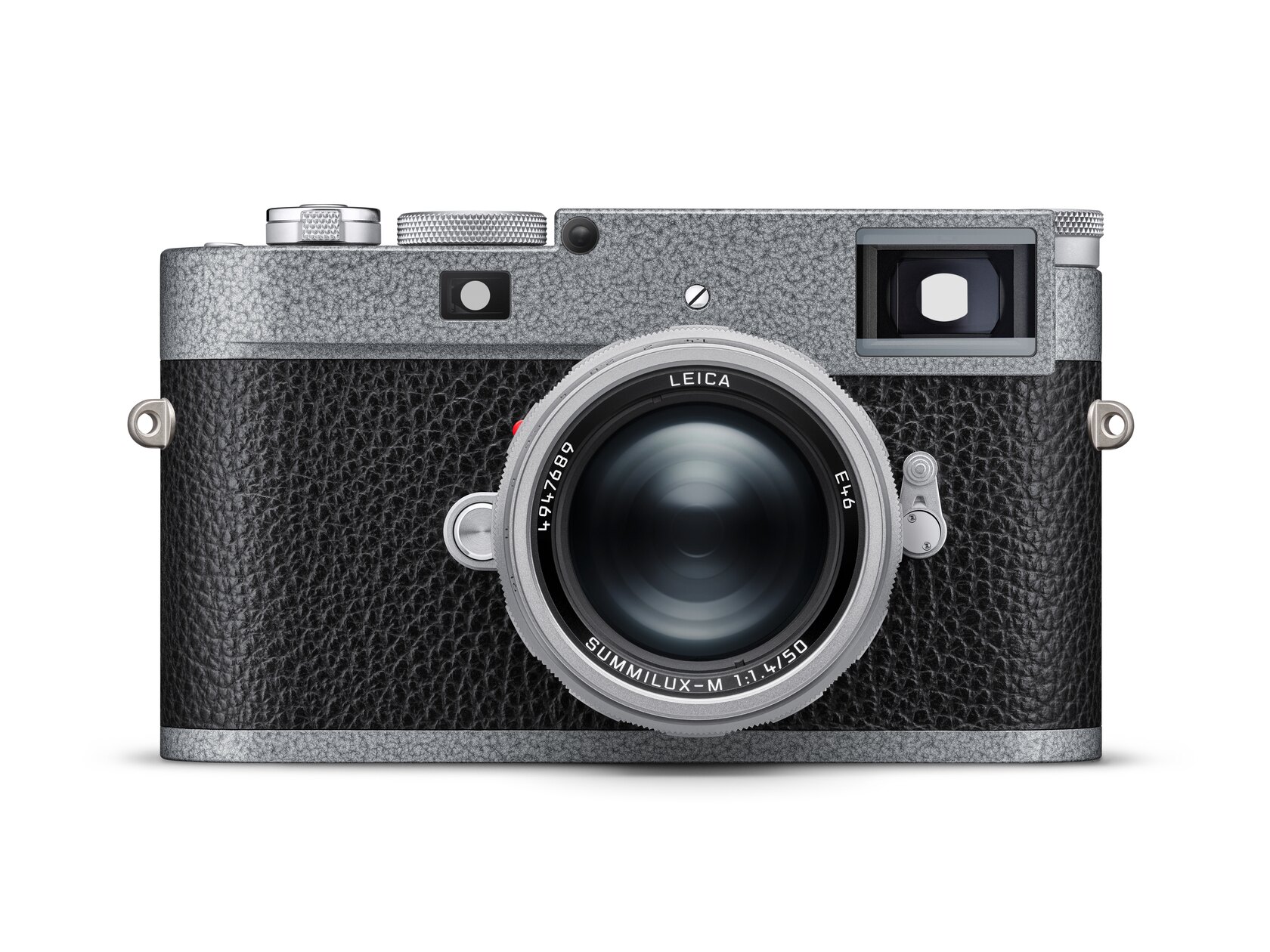
Leica has introduced Hammertone editions of the mechanical M-A and digital M11-P. Announced on November 12, 2026, the cameras feature textured top and base plates paired with black leatherette.
According to Leica, the special editions retain the technical specifications of their standard counterparts. The M11-P version includes Content Credentials, 256 GB of internal storage and a full-frame sensor offering 60, 36 or 18-megapixel output.
Design rather than a new platform
These are finish and design variants. Photographers comparing them with an existing M-A or M11-P should evaluate the appearance and handling separately from image-making capability.
Leica lists recommended prices of €6,650 for the M-A Hammertone and €9,950 for the M11-P Hammertone, including VAT in its announcement. Regional pricing and availability should be checked with an authorized dealer.
Separate the object from the photographic task
The announcement above describes the new editions; the following sections are our buying framework and photographic context. A camera can be both a working tool and an object someone takes pleasure in owning. Those motivations do not have to compete, but they should be named. Wanting a particular finish is a legitimate preference. It is a different question from whether your current equipment is preventing a photograph you need to make.
Start with the last assignment that frustrated you. Was the problem framing, focusing, carrying weight, a missed moment or simply an unfamiliar control? A special finish does not answer all of those questions. Write the limitation in plain language before looking at a new camera. It becomes easier to tell which parts of the purchase are practical and which belong to personal enjoyment.
Mechanical and digital workflows ask different things
Choosing between an analog body and a digital body involves more than their appearance. Film requires a plan for buying stock, processing it, reviewing the results and preserving the negatives. Digital work requires its own routine for cards, files, software and backup. Neither process is inherently more thoughtful. Either can become deliberate or careless depending on how you approach the complete chain.
Imagine a real month of your photography. Include the jobs with deadlines, the personal walks and the occasions when the camera stays at home. Then consider which process you will actually maintain. A camera that inspires you but repeatedly misses the bag may become an expensive ornament. That may still be an intentional choice, but it should not be confused with an equipment requirement.
Handling deserves a longer look than a product photograph
A finish is experienced by hand as well as by eye. If you can handle the camera, notice how the controls feel, whether your grip changes with the lens you use and how the surface behaves in the light. Do not infer comfort from an attractive photograph. Try the straps, bags and accessories you would normally use rather than evaluating the body as an isolated display object.
Pay particular attention to habits. Can you make your usual exposure changes without looking away? Is the viewfinder experience one you enjoy for a sustained period? Would gloves, glasses or your preferred carrying position change the experience? These are ordinary questions, but they connect ownership to use more reliably than a discussion of rarity alone.
Compare the total cost of the route you choose
The purchase price is only one line in a photographic budget. A new system may involve a lens, batteries, processing, storage, insurance or a different bag. Use your own expected costs rather than a generic estimate. If you already own compatible equipment, include that advantage. If you would be changing systems, include the friction of learning and any work that must continue during the transition.
Also compare the opportunity cost. The same budget might fund travel, a personal project, printing or a workshop. This is not an argument that equipment is unimportant. It is a way to decide which investment is most likely to change your actual photographs. Name the project you hope the purchase will serve, and be honest if the purchase is mainly about the object itself.
A different surface is not a field test
Our launch coverage does not claim to have tested either special edition. The manufacturer’s statement that the technical platforms correspond to the standard models is useful context, but it does not supply our own evidence about handling or long-term use. A meaningful review would describe the equipment used, the shooting conditions and the specific questions being investigated.
This distinction helps readers evaluate any special-edition announcement. Look for what actually changes, what the manufacturer says remains equivalent and what a reviewer has directly observed. A beautiful set of press images can communicate a design very well. It cannot establish how a camera will fit your working day, or how much you will value it after the novelty has faded.
Collecting and investment are separate conversations
Limited or unusual designs can attract collectors, but a distinctive finish is not a reliable promise of future value. Asking prices, completed sales, condition and demand can tell very different stories. GOBO is not projecting resale prices for these editions. If future resale is essential to your justification, recognize how much of that argument rests on an uncertain market rather than on photography.
Condition also means different things to different owners. A working photographer may accept visible wear as the ordinary record of use. A collector may prioritize an untouched presentation. Think about which relationship you want with the camera before paying for an object you may then feel reluctant to carry. The pleasure of ownership should not quietly become anxiety about using it.
Give the decision a photographic test
Before committing, make a short series with the camera you already have. Choose a subject that interests you and finish the work: edit it, print a small selection or share a coherent sequence. Note precisely where the equipment helped and where it got in the way. This exercise gives your next purchase a useful reference point grounded in completed photographs.
If the special edition still appeals, you can make the choice with clearer expectations. You may be buying a familiar capability in a surface you especially enjoy. You may be choosing a new process altogether. Either decision is easier to assess when design, workflow and personal desire have been considered separately, then brought together in the context of the pictures you want to make.