Prime or zoom: what does your next assignment need?
A practical comparison of flexibility, aperture, size and the way you like to work.
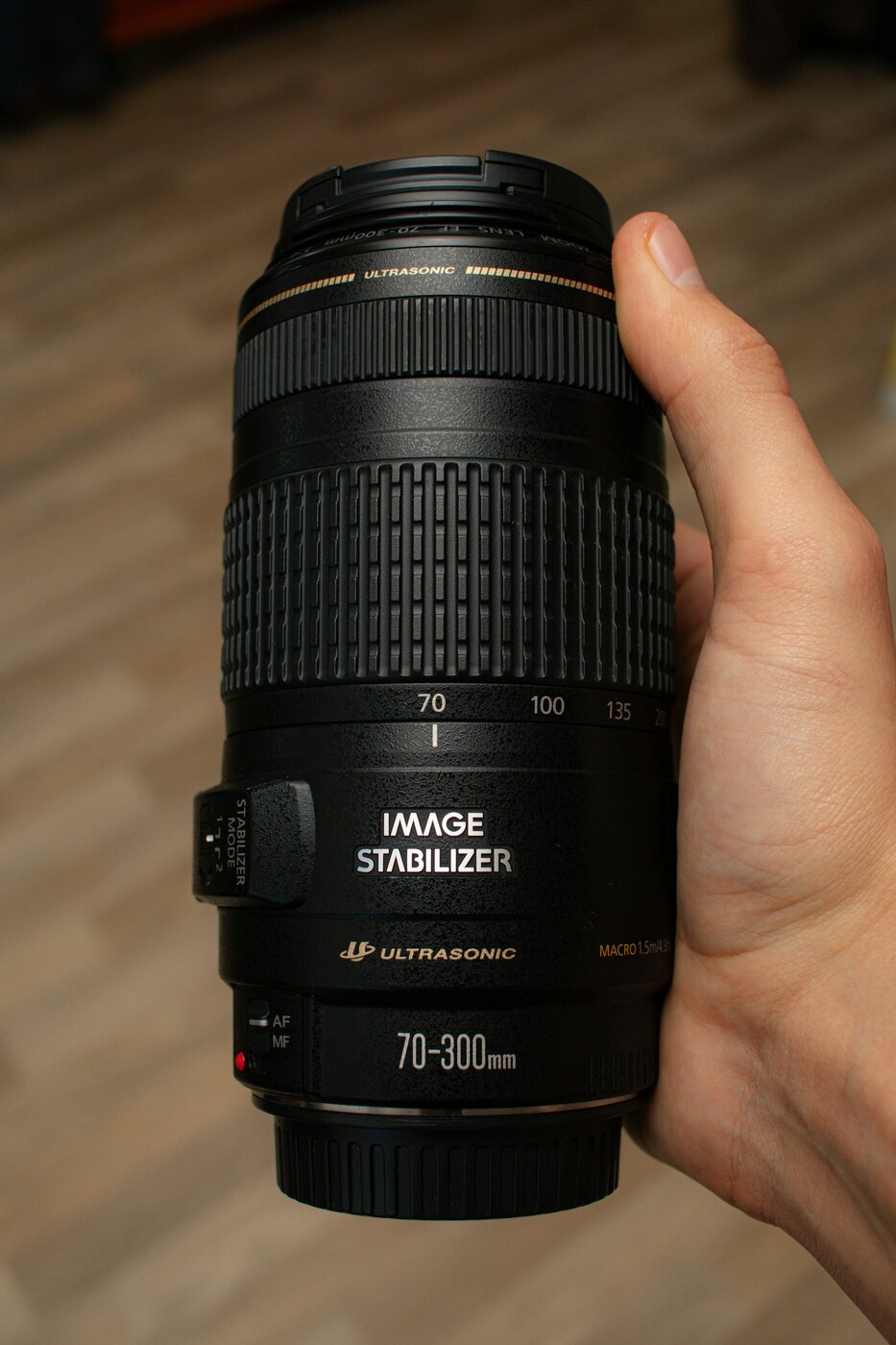
A prime lens offers one focal length. A zoom lets you change framing within its specified range. That simple distinction matters most when your position is fixed or your subject is moving somewhere you cannot follow.
Compare complete kits
Some primes offer a wider maximum aperture than comparable zooms, but that does not make every prime smaller, lighter or sharper. Compare the actual lenses. Include the weight of any additional focal lengths you would need to carry.
For an event where access is restricted, a zoom’s framing flexibility can be useful. For a personal walk or a controlled portrait, a familiar prime can simplify decisions. Neither approach guarantees a more thoughtful picture.
Use your archive as evidence
Look at the focal lengths in a recent shoot. If most of your keepers cluster around one position, a prime at that angle of view may suit you. If the sequence relies on quickly moving from wide scenes to distant details, test a zoom before replacing it with several primes.
Rent or borrow when possible. Spend time checking focus behavior, controls, balance and the minimum focusing distance. Those everyday details can matter more than an isolated specification.
Begin with access and distance
The first question is often where you are allowed to stand. At a ceremony, performance or controlled event, moving closer may be impossible or disruptive. A zoom can help adapt the framing from a fixed position. In a quieter personal project, a single focal length may fit your pace. Neither arrangement says anything by itself about the care or originality of the resulting photographs.
Write down the actual conditions of your next assignment. Include the space, restrictions, expected changes in subject distance and the images you must deliver. A lens choice made against that brief is easier to evaluate than a general preference formed from attractive examples online. The same photographer can reasonably choose different equipment for two jobs that happen to share a broad genre label.
Separate perspective from framing
Changing focal length and changing camera position are not interchangeable actions. Moving changes the relationship between near and far objects. Zooming from the same position changes the framing while preserving that position’s perspective. Keeping the distinction in mind helps you make deliberate choices instead of assuming that walking forward always substitutes for the lens setting you were about to use.
Make a simple comparison with a stationary subject and a detailed background. First change focal length without moving. Then choose a fixed focal length and move to achieve similar subject sizes. Look at the background in both sets. This is a practical way to understand what each action contributes, and it can be more useful than memorizing which lens type is supposed to encourage better composition.
Aperture is one variable among several
A wider maximum aperture may be useful in your work, but do not compare that number alone. Consider the depth of field you need, the subject’s movement and the working distance. If an assignment requires several people to appear acceptably sharp, an available very wide aperture may not be the setting you can use. A specification is valuable when it serves the photograph’s requirements.
Review the aperture settings in a representative group of finished images. Notice how often you actually used the widest setting and why. If those frames matter, investigate that capability carefully. If they are rare, the convenience of another lens may deserve more weight. You are not trying to prove that an unused feature has no value, only to distinguish a recurring need from an appealing possibility.
Compare complete carrying kits
One small prime may be light, but several primes plus their accessories can change the calculation. Likewise, one zoom may simplify a day even if the individual lens is larger. Add the equipment you would truly carry, including any second body used to avoid changes. Then think about the hours between leaving home and returning, rather than the few minutes spent handling a lens at a counter.
Handling also includes transitions. How often would you change lenses? Is there a clean, calm place to do it? Would the assignment allow the interruption? A setup that feels elegant on a desk may be awkward in a crowded venue. Another that seems bulky in isolation may work well when it reduces repeated handling. Try the arrangement under conditions close to your own work.
Do not outsource image quality to a category
There are excellent and less suitable examples of both lens types. Compare the specific products, camera and output you are considering. Look at relevant details across the frame, the behavior of out-of-focus areas and the way the lens responds to the light you use. A general reputation for a category cannot establish how a particular lens will fit a particular brief.
If you test two lenses, keep the comparison fair. Use comparable conditions and processing, then judge at a delivery size that matters. Record differences without inflating them into universal conclusions. A small distinction visible during close inspection may matter for one project and disappear in another. Equally, a handling problem can remain important even when both lenses produce more than enough detail for the final use.
Make room for a deliberate constraint
A prime can be a useful exercise because a consistent view reduces one set of decisions. That does not make inconvenience a virtue. If the constraint prevents a required image or encourages unsafe movement, change the plan. The exercise should help you observe your habits, not punish you for encountering a scene that asks for another approach.
Try a personal assignment with one focal length and keep notes on the frames you chose not to make. Were they genuinely important, or simply available? Then repeat the assignment with a zoom. You may discover that flexibility helps you express the same idea more clearly, or that fewer choices keep you attentive. Either finding is useful because it describes your process rather than repeating someone else’s preference.
Borrow first, then decide what belongs in the bag
A realistic trial can answer questions a specification table cannot. Use the lens for a complete walk or noncritical session, including the transitions, carrying and reviewing afterward. Do not judge only the favorite frame. Consider whether the equipment was enjoyable enough to keep using, whether it helped the required pictures and whether you repeatedly worked around a limitation you had not anticipated.
Finish the comparison with a short account of what changed in your photographs and your working day. If the answer is mainly an attractive possibility you rarely used, the purchase may deserve more time. If it solves a clear, repeated problem, you now have a stronger basis for the choice. The useful winner is the lens that belongs in your actual work, not the category that wins an argument.