The Xiaomi 18 Pro has two 200MP Leica cameras. Megapixels are only the beginning
A 23mm main camera, 75mm telephoto, RAW and Log recording make an ambitious specification sheet. Here is how photographers should test the system instead of reading the number alone.
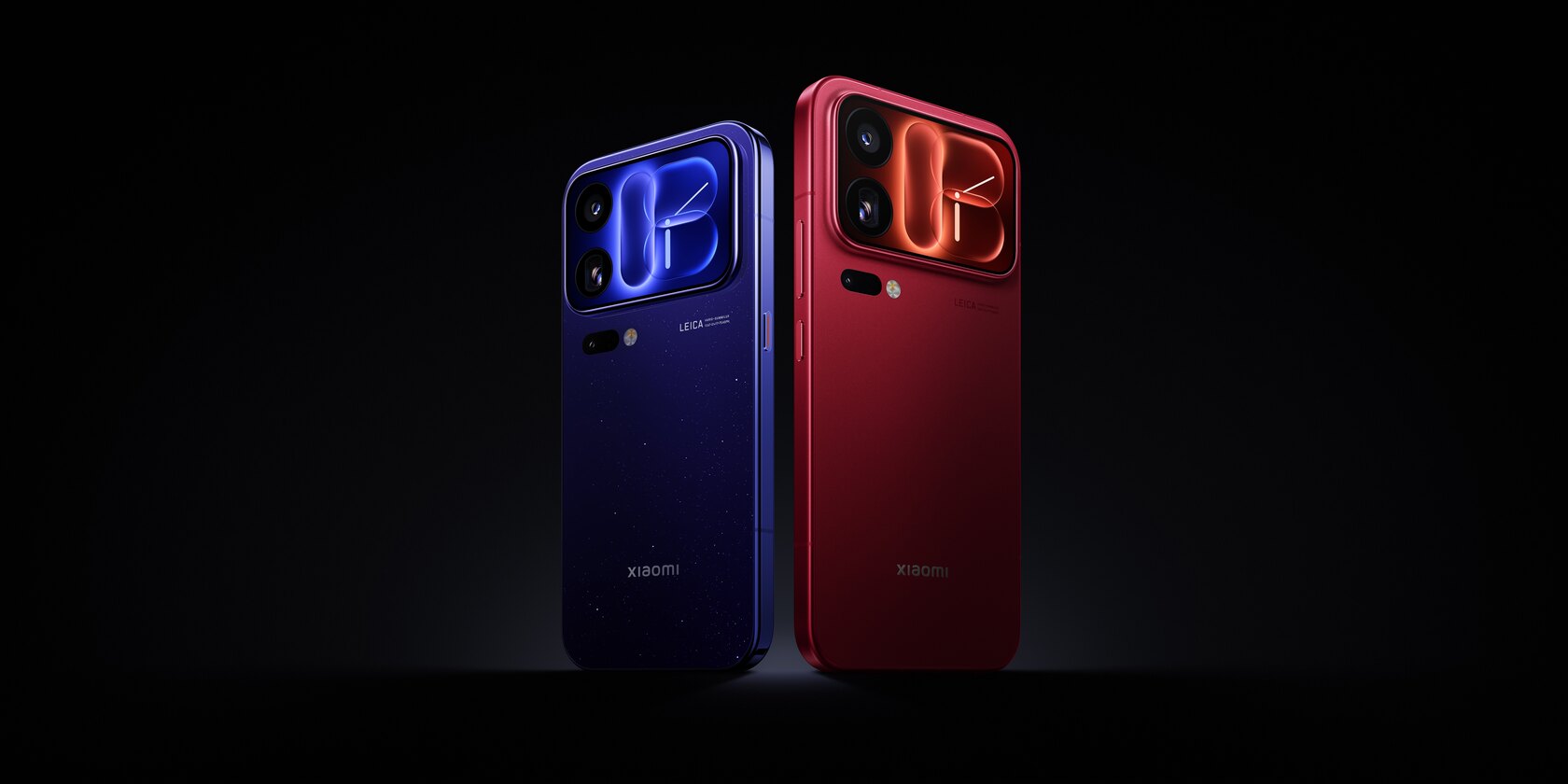
Xiaomi and Leica announced the Xiaomi 18 Pro series on 17 November 2026 with an attention-grabbing pair of 200-megapixel cameras. The main camera is listed at a 23mm-equivalent field of view; the telephoto at 75mm. A 50-megapixel ultra-wide completes the rear system. That is an ambitious specification, but a number on a product page is the start of a photography question rather than its answer.
This article is based on Leica’s announcement and Xiaomi’s published specifications, checked on 22 November. GOBO has not tested a retail unit or inspected original files. Sensor names, formats and recording modes below are manufacturer claims; the proposed tests are editorial guidance.
Two 200MP cameras do not produce the same photograph
Xiaomi lists the main camera with a 1/1.28-inch Light Fusion 960L sensor, an f/1.67 aperture and optical stabilization. The 75mm-equivalent telephoto uses a smaller 1/1.56-inch Samsung HP5 sensor, an f/2.4 aperture and stabilization. Both can output a 200MP mode, but focal length, aperture, sensor area and processing differ.
That means “200MP” cannot predict equal noise, dynamic range or subject rendering. Pixel count describes an output grid; it does not state how much fine detail survives demosaicing, sharpening, compression, movement and multi-frame processing. A handheld photograph of leaves in wind is a harder resolution test than a static chart under bright light.
Photograph the same textured subject in daylight, indoor window light and night illumination. Compare the ordinary default output with the full-resolution option at the same final print or screen size. Look for real separation of fine lines, not more aggressive edge contrast. Repeat with subject movement, because a high-resolution static scene can hide timing and merging problems.
| Specification | Documented detail | Useful field test |
|---|---|---|
| Main camera | 200MP, 23mm equivalent, 1/1.28-inch sensor, OIS | Fine detail in daylight and moving texture in lower light |
| Telephoto | 200MP, 75mm equivalent, 1/1.56-inch sensor, OIS | Portrait edges, stabilization and mixed-light skin tone |
| Ultra-wide | 50MP, 102-degree field of view | Corner detail, geometric distortion and flare |
| Pro output | RAW, HEIF, BT.2020 and Log video options | Third-party compatibility and a complete export round-trip |
The 75mm camera may matter more than the headline
A 75mm-equivalent view is useful for portraits, details and compressed street compositions. It can give a photographer a materially different position from the 23mm main camera instead of relying on a long digital crop. The telephoto’s smaller sensor and slower aperture, however, make low-light performance a question to test rather than assume.
Make portraits near the minimum comfortable distance and in mixed indoor light. Inspect hair, glasses and the boundary between subject and background with portrait effects disabled and enabled. Watch for skin-tone shifts when the phone changes cameras or processing. Stabilization can reduce camera movement; it cannot stop a person turning their head.
The published “up to 120×” digital zoom is not equivalent to a 120× optical lens. Treat extreme zoom as a framing and computational feature. If the final image depends on readable detail at that setting, examine the file at the delivery size before trusting the label.
Leica styling is a creative choice
Xiaomi lists Leica Authentic and Leica Vibrant looks, plus an Original style, filters and simulated classic-lens options. These may be enjoyable and useful, but they should not be confused with an optical focal length or a neutral color reference. A named rendering is an interpretation produced by the phone’s imaging pipeline.
Photograph a color target, skin and a familiar material under daylight and warm LEDs. Compare styles with exposure and white balance held as consistently as the software permits. Choose the version that serves the picture, then keep that choice consistent across a sequence. A single attractive frame can tolerate a strong look; an editorial set reveals changing contrast or skin color immediately.
RAW, HEIF and Log need a round-trip test
The specifications list JPEG, HEIF and RAW still capture, BT.2020 output and Log video up to 4K/120p. They also list Dolby Vision recording and 8K options. These are meaningful production features only when the rest of the workflow accepts them.
Before a commission, transfer representative files to the intended computer and editing software. Check that metadata, orientation, lens identification and color are interpreted correctly. Export the actual delivery format, upload it through the client’s system and download it again. A wide-gamut or high-dynamic-range file can look impressive on one supported display and wrong after a platform converts it.
For video, verify which combinations of frame rate, stabilization, Log and HDR are available together. Record a slate with camera and format information. Test heat, storage consumption, audio and sustained recording rather than assuming a menu option describes an unlimited take.
The rear screen changes who can operate the camera
Xiaomi documents a 2.9-inch rear display on the Pro Max and a 2.7-inch display on the Pro. Its launch material presents it for rear-camera selfies and preview. That can make the higher-quality rear cameras easier to use when the photographer is also the subject, and it can help a presenter maintain framing.
It does not replace a director or an external monitor for every job. Test whether the display shows the final crop, exposure warnings and recording status clearly in bright light. Check touch behavior and accidental inputs. For a solo creator, a small dependable preview may be more valuable than an extreme resolution setting that slows capture.
Compare systems through assignments, not slogans
The right comparison with a mirrorless camera is not “which has more megapixels?” Give both tools the same task: a backlit portrait, a moving child, a night street, a product with fine text and a five-minute edited video. Set the same delivery dimensions. Count missed focus, processing time, battery use and files that survive the client workflow.
The phone will often win on availability, computational speed and immediate distribution. An interchangeable-lens camera may offer more optical choice, sustained operation and direct control. Either conclusion can change with the assignment. The Xiaomi 18 Pro’s specification sheet is genuinely broad; the photographer’s job is to discover which parts remain useful after capture, edit and delivery.