How a curator reads a photography project
A conversation with SFMOMA curator Shana Lopes prompts a practical exercise in editing, writing about and presenting a body of photographs.
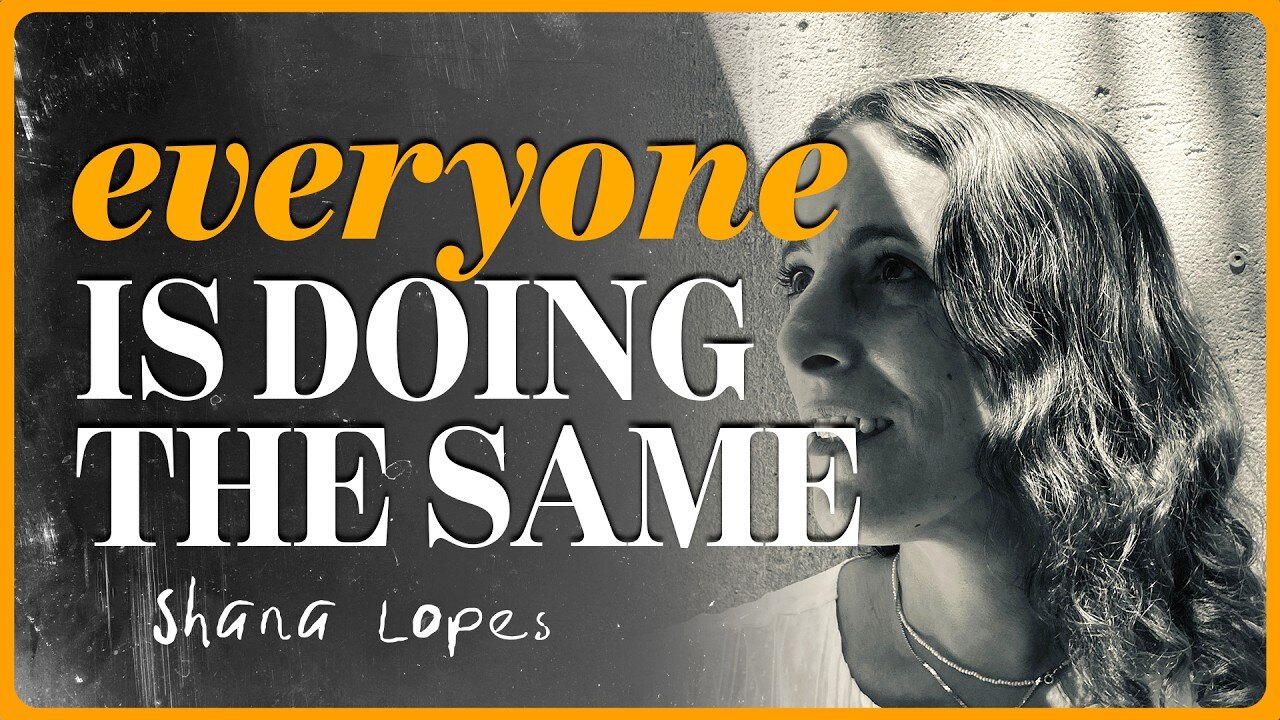
Why Should Anyone Care About Your Photography? Shana Lopes, E130
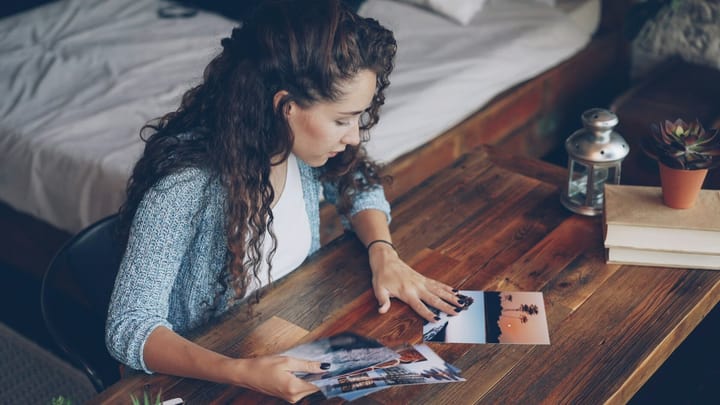
Put ten of your strongest photographs on a table. Remove your name, the captions and the story you normally tell about making them. What connects them? A repeated colour is a beginning. A recognisable editing style might help. But can someone identify what the photographs are investigating, and why the group deserves more time than any single frame? That is a useful question to bring to a portfolio before sending it anywhere.
Matt Jacob's conversation with Shana Lopes on The MOOD Podcast offers a valuable starting point. The audio episode, published on 27 August 2026, features Lopes, SFMOMA's assistant curator of photography. This archive recommendation focuses on presenting a body of work.
The point worth pausing on
In the creator's published transcript, at 37:27 in the audio edition, Lopes connects her interest in a project with whether it gives her enough to write about. She describes conceptual and formal layers, and work that returns to her mind later. Earlier, around 3:50, she explains that bringing an acquisition forward involves other decision-makers, including leadership and an accessions committee.
Those comments deserve a careful reading. They describe one curator's experience within a particular institution. They do not provide an admissions formula for every museum. Our practical response is to treat presentation as a test: can someone discuss the work accurately while still discovering things you did not intend?
Make the question visible
Begin with an ordinary subject, such as shops on the street where you live. The subject alone does not establish a project. You might investigate who keeps those shops running after dark, how owners adapt their interiors, or how a neighbourhood changes when rents rise. Each question suggests a different set of photographs and a different need for research.
For a practice exercise, write down one question before looking at your archive. Under it, list what a viewer could actually see as evidence. If you are interested in night work, an attractive photograph of an empty shopfront may establish atmosphere but reveal little about labour. You may need access, conversations, quieter moments and time. The gap between your question and your pictures tells you what to do next.
This does not require turning every project into an argument with a predetermined answer. Leave room for your experience to change the question. Otherwise, you risk photographing illustrations for an idea that reality has already complicated.
Give each image a job
Build a provisional edit of twelve photographs. For each, write a sentence describing what it adds. One might establish the setting; another could introduce a relationship, interrupt a visual pattern or leave a difficult question unresolved. These are working notes for you, not compulsory labels for the finished presentation.
Now remove the image you find most impressive. Does the project become weaker, or merely less spectacular? A beautifully lit frame can attract attention while contributing almost nothing to the group. Equally, a modest transitional picture can make the surrounding photographs intelligible. Judge both possibilities before making a cut.
Try the opposite test too. If every photograph repeats the same point, adding more may make the project feel thinner. Replace repetition with a genuinely different observation. Do not manufacture a dramatic sequence from unrelated events simply because it reads well. A documentary edit still needs to respect what happened.
Write language that earns its place
A useful project note supplies information photographs cannot reliably carry alone: the location, the period, your relationship to the subject and the method you used. It can also identify what remains unresolved. Readers should be able to distinguish factual context from the interpretation you are offering.
For an imaginary shop project, a plain opening might read: “Over six months, I photographed the people closing independent shops on my street. I returned after trading hours to follow the work that continues when customers leave.” That gives a stranger a foothold without telling them which emotion to experience.
Compare each sentence with the edit. If your note promises collaboration but the photographs show only distant observations, investigate the mismatch. You might need a more accurate statement, a different selection or further work. An elegant paragraph cannot supply relationships that the project has not developed.
Ask for information instead of reassurance
Show the sequence to two people separately. Let them look before giving your explanation. Ask which images stayed with them, where their attention dropped and what they think the project is asking. Then provide your short note and ask what changed.
This exercise is a proposed review method, not a test we have conducted. Its purpose is to gather observations you can use. A response you dislike may still expose something important: your opening image could imply a different subject, or your ending could feel more conclusive than you intended.
Keep a record of the answers. You do not need to obey every response. Look for patterns, and decide whether a recurring misunderstanding comes from the photographs, the sequence, the writing or simply a difference in interests. Those call for different decisions.
Choose the audience consciously
There is a limit to treating curatorial attention as the final measure of success. A family archive, a community publication, a commissioned story and a museum proposal can have different responsibilities. A direct description may be exactly what a local audience needs. Greater ambiguity does not automatically make a photograph more substantial.
Before approaching anyone, research the actual outlet and its submission process. Explain why this work belongs in that conversation. Avoid rebuilding a personal project around an imagined universal museum taste. What helps your work communicate should also help you understand its purpose, including when a particular institution is the wrong destination.
Try a one-hour project review
Use twenty minutes to select twelve pictures, ten to describe each picture's contribution, ten to draft a short project note and twenty to examine where the words and images disagree. This is an editing exercise, not a promise of exhibition or publication.
Finish by identifying one concrete action: make a missing photograph, verify a caption, remove a redundant frame, arrange access or rewrite an overstated sentence. A portfolio review becomes useful when it changes an observable decision. The conversation is worth returning to for that reason: it can move attention from impressing an imagined gatekeeper to understanding the work you are actually making.